Lorem ipsum dolor sit amet, consectetur adipiscing elit, sed do eiusmod tempor incididunt ut labore et dolore magna aliqua. Ut enim ad minim veniam, quis nostrud .
About Us
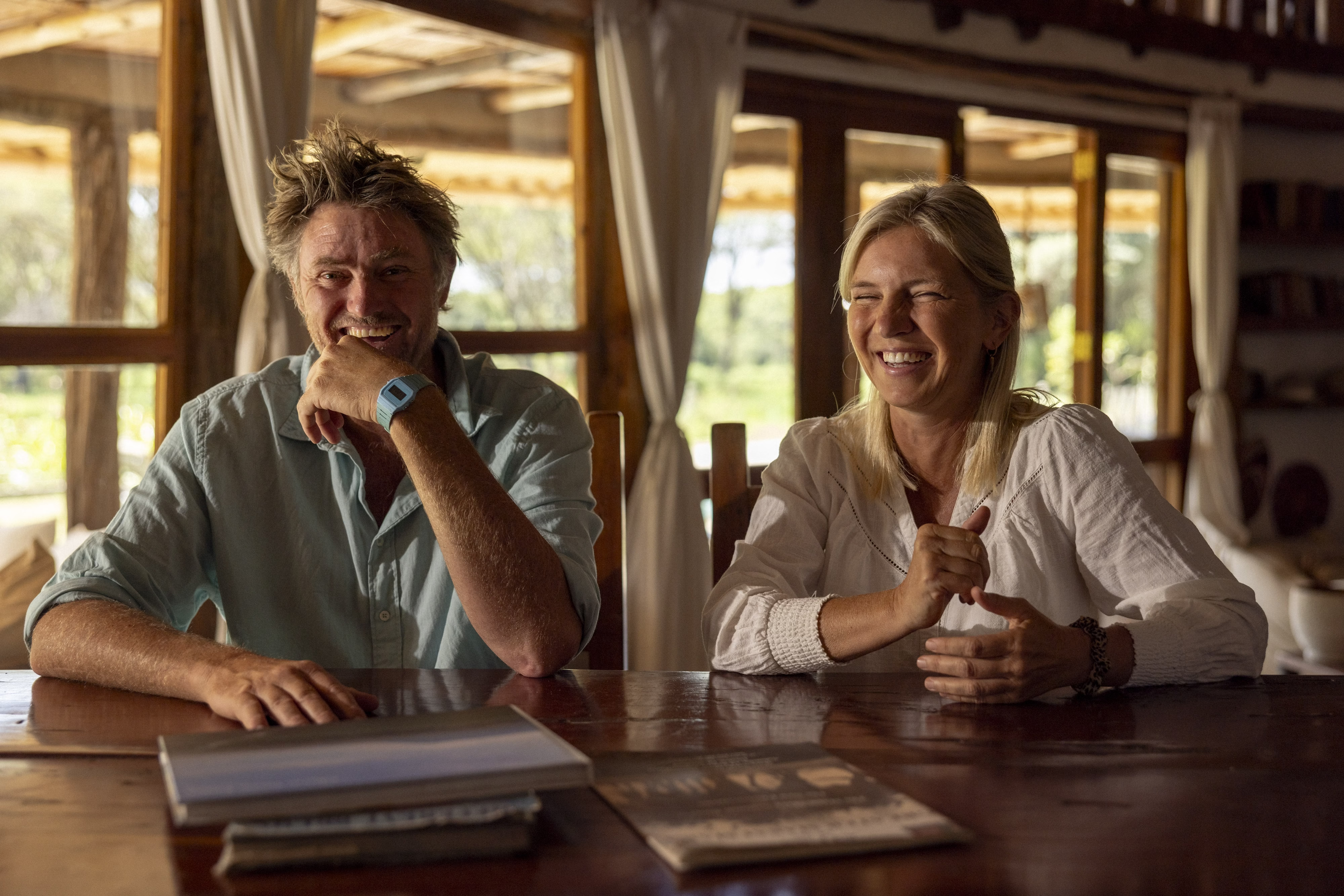
Welcome to Collection in the Wild, where our journey intertwines with a rich tapestry of history, conservation, and community engagement.
1956
Where it all began
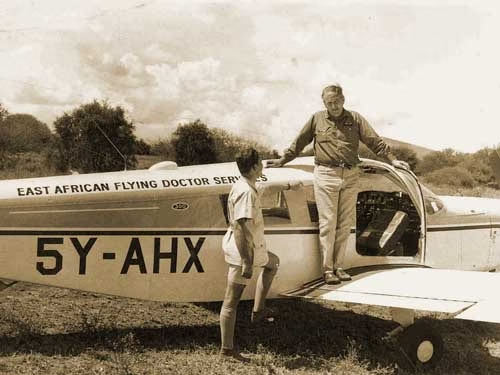
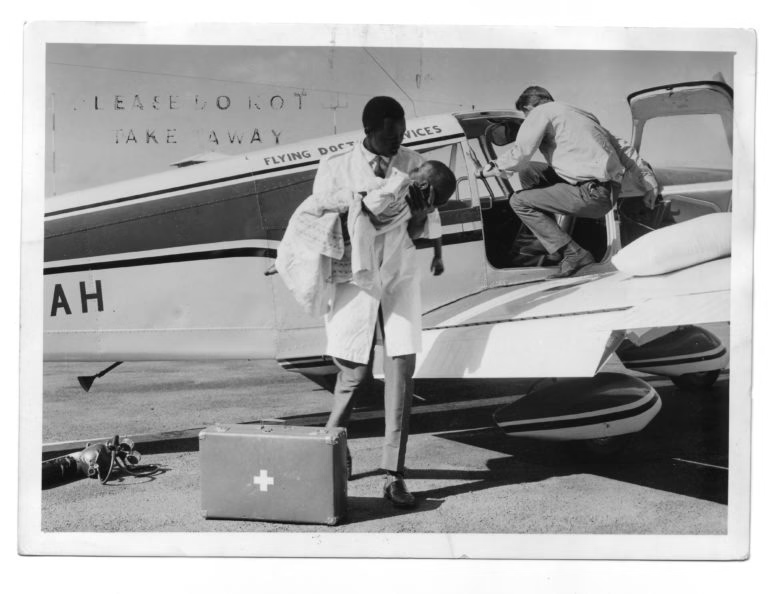
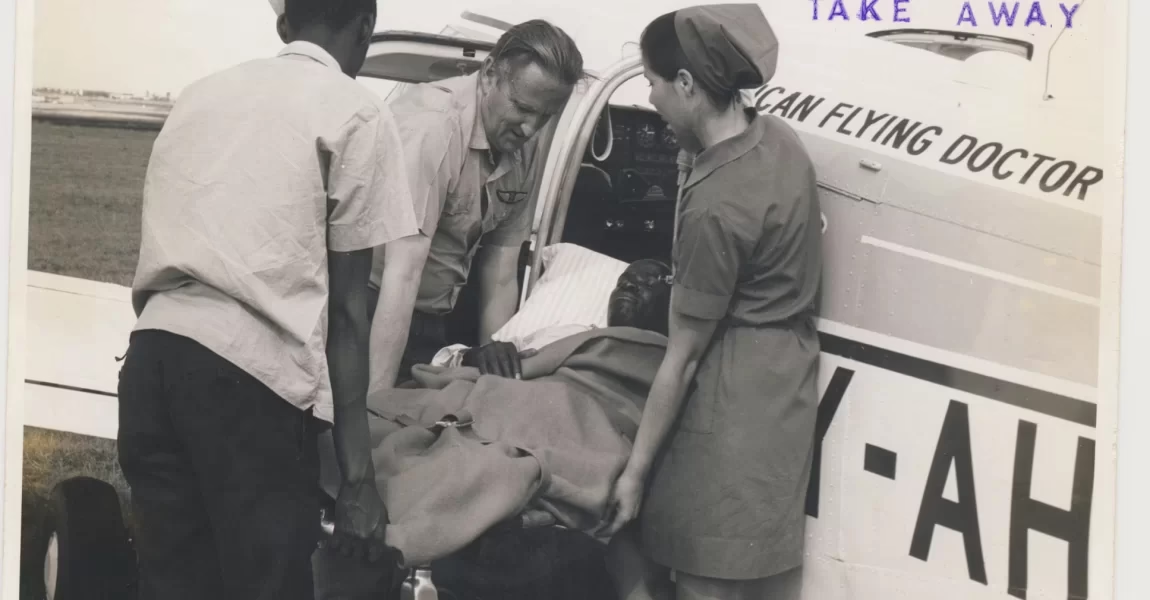
Tarquin’s grandfather, Sir Michael Wood was a pioneer and innovator in the fields of aviation, medicine and agriculture. In the 1950’s he started farming in Tanzania, and cleared land for crops to feed a growing nation. He had a farm on the slopes of Kilimanjaro and one day over sundowners, with his fellow AMREF founders, they came up with a plan of improving healthcare in rural Africa by setting up the Flying Doctors.
It was in the days before independence from Britain when millions of people living in remote areas had no access to proper medical treatment. His plan was to take specialised and essential health care to the small bush hospitals that were isolated by terrain and inadequate means of communication. He also connected these remote hospitals to expert medical advice by setting up a radio network with Nairobi as the hub. It was a daunting task but he had huge vision, charisma, deep compassion and enormous courage to explore medical frontiers.
1999-2012
Our connection to the Mara River
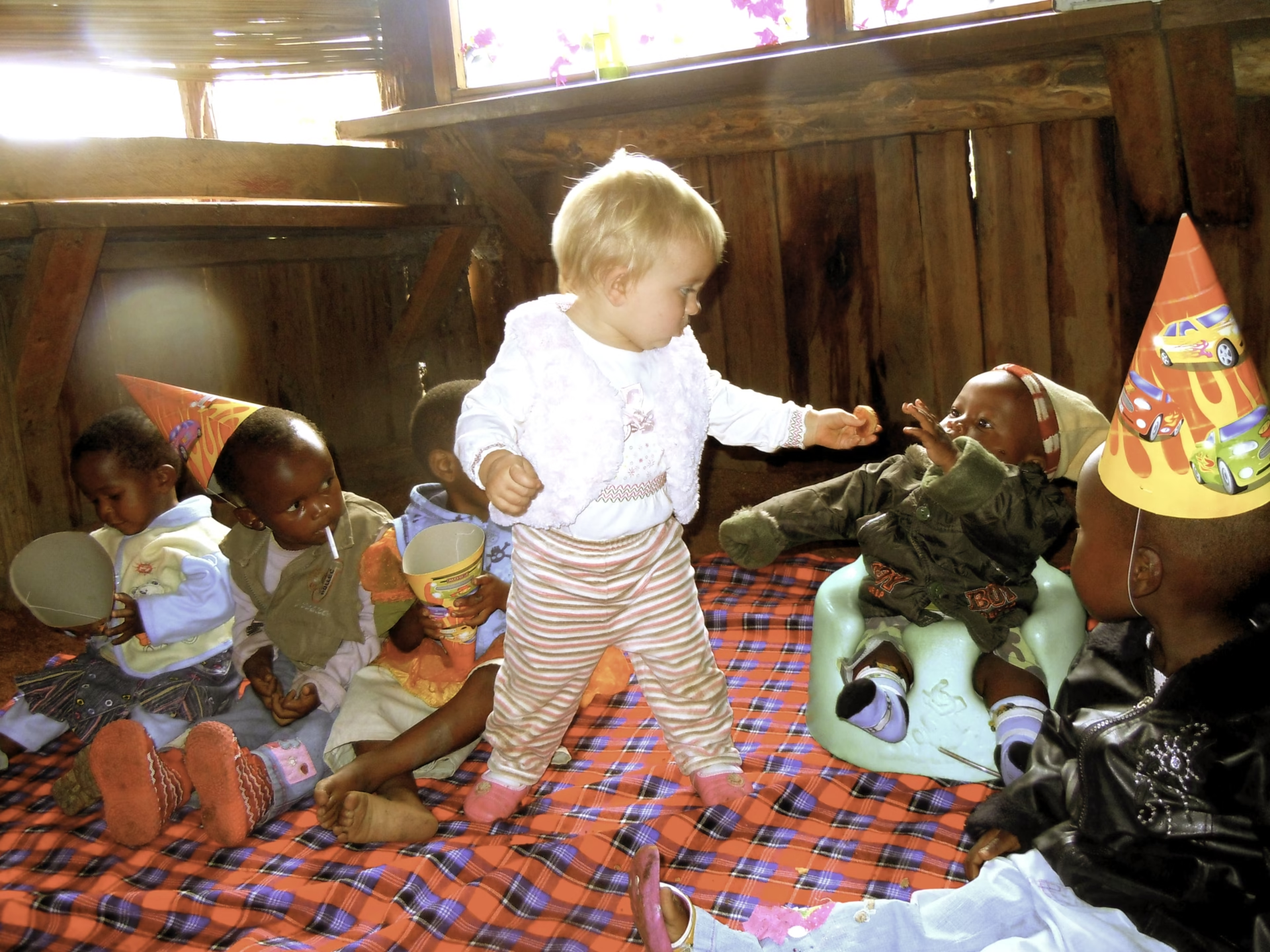
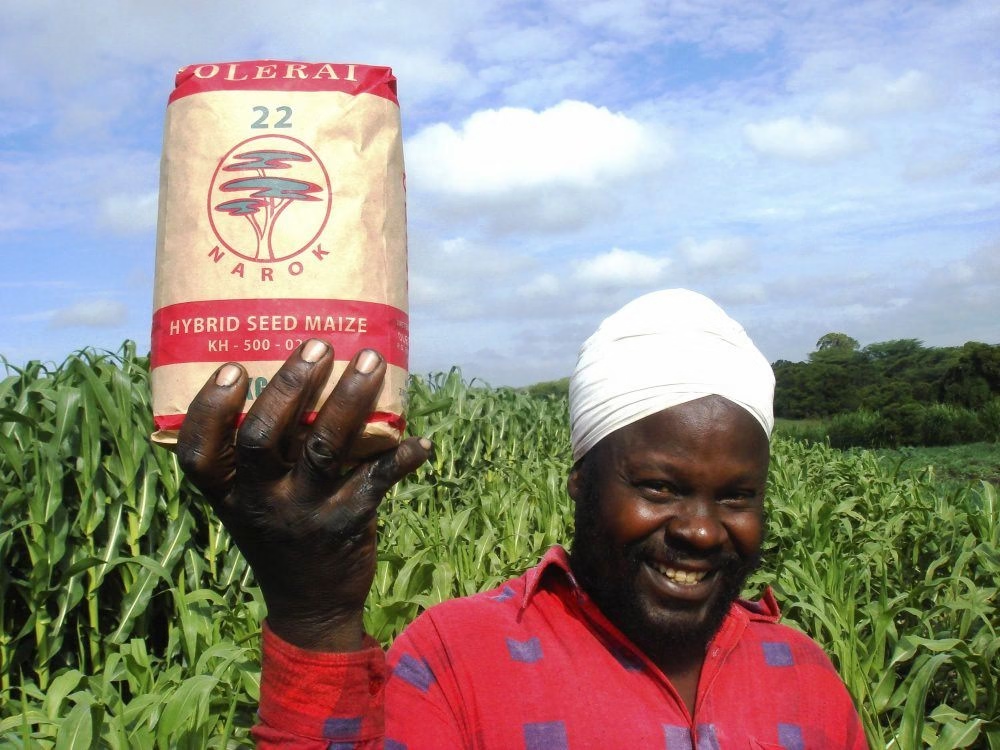
Tarquin’s parents, Hugo and Rachel Wood, also pioneers in agriculture in Kenya, had been leasing land from the Maasai community and farming it outside of Narok for over 20 years. Hugo and Rachel set up the Cereal Growers Association where they helped rural farmers in the area with best farming practices.
As their farm business grew, they were presented with an opportunity to create a farm on the Mara River, where they could irrigate and grow crops. Tarquin joined the family business to run the Mara farm. For over a decade this was one of the largest french bean farms in Kenya, where beans were grown and exported to the UK. Lippa and Tarquin got married on a meander on the Mara river. House in the Wild was built – a mud hut on a corner of the farm.
2013
Conservation and community
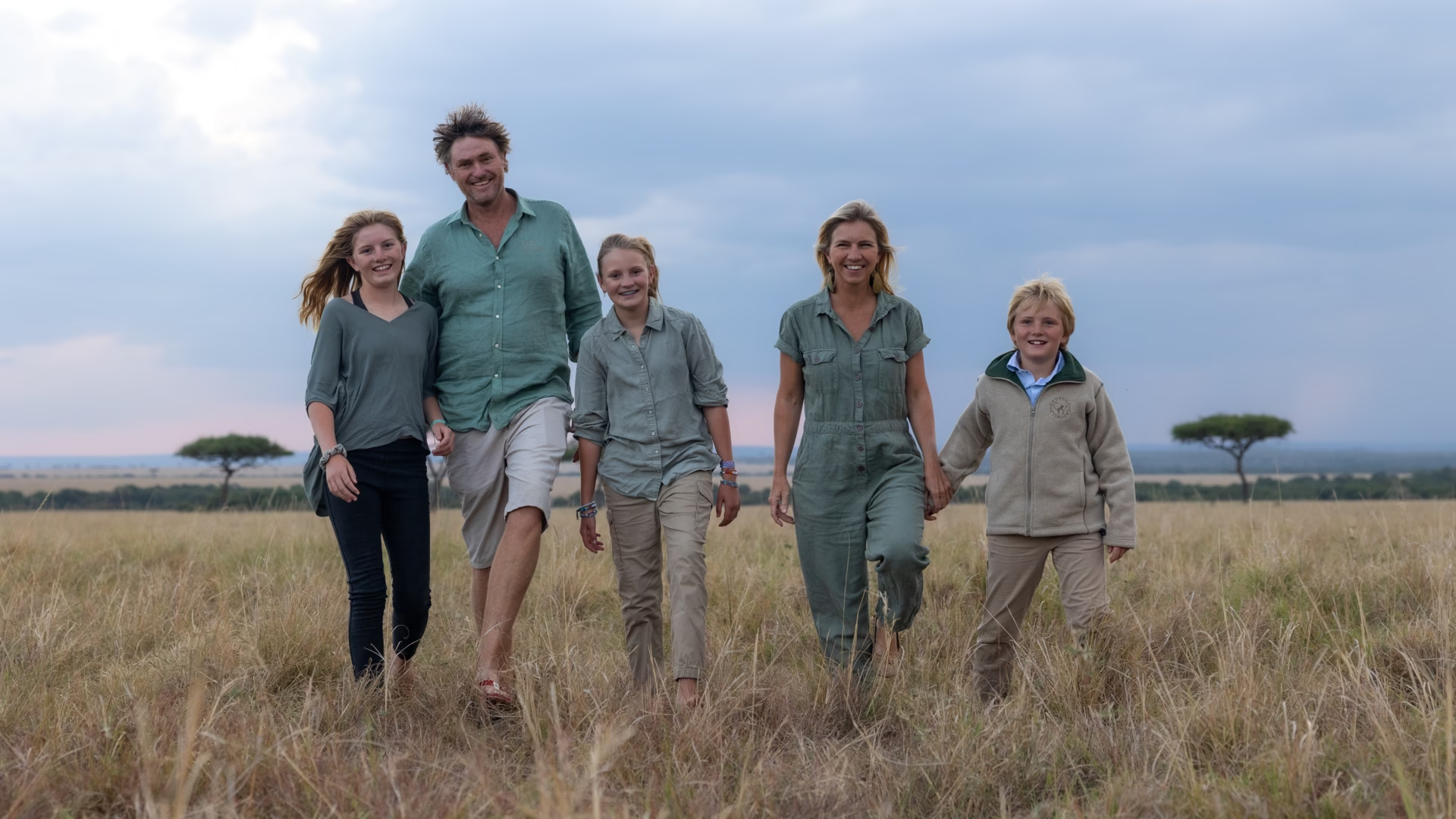
Soon after they were married, Tarquin and Lippa Wood took on the Olerai farm and began working with the neighbouring community, with the aim of securing and restoring habitats and making the community benefit directly from wildlife.
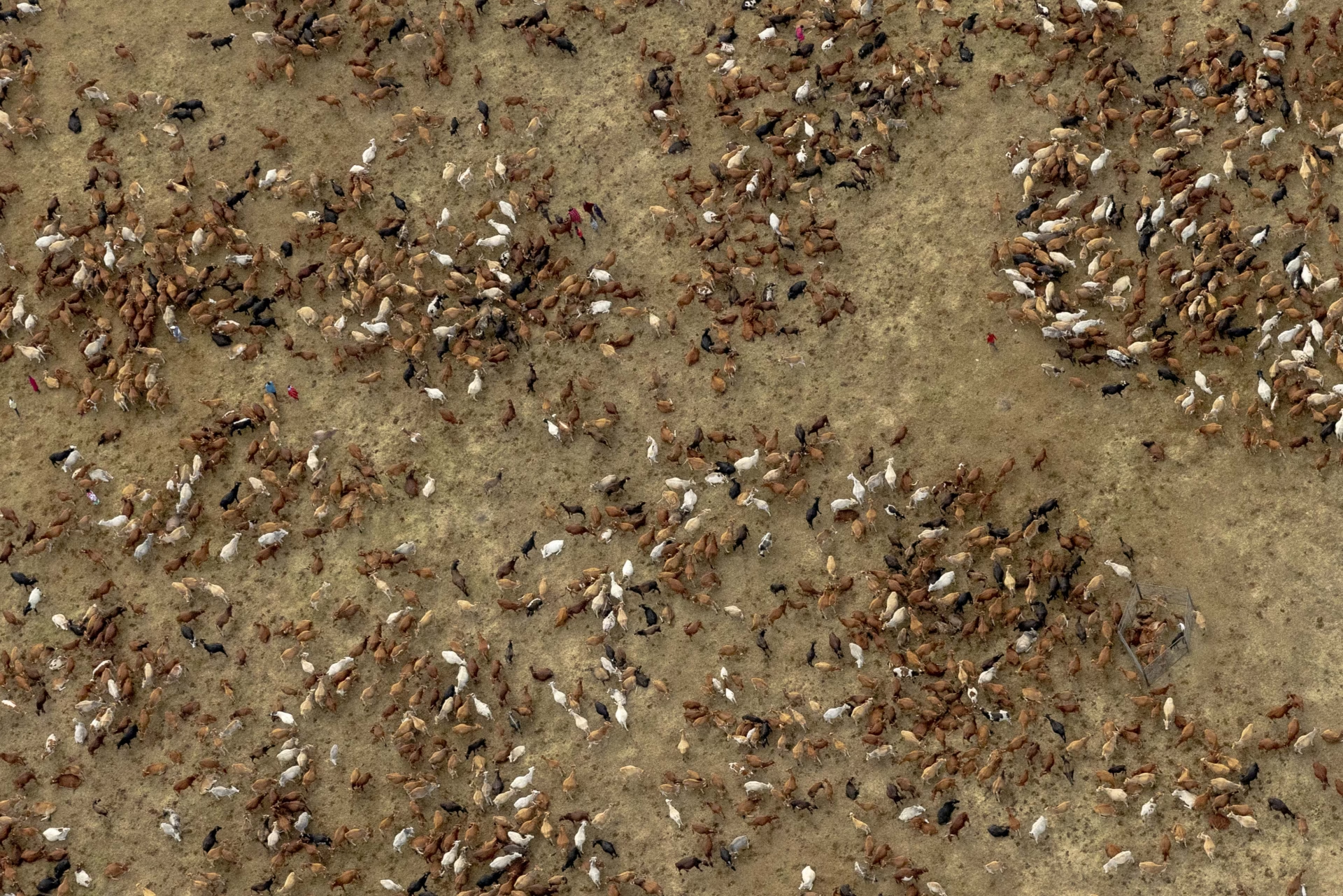
With a strong commitment to conservation and protecting wildlife for future generations, the land at Olerai Farm transitioned from agricultural use to wildlife habitat. This transformation fostered a partnership with the surrounding community, leading to the creation of Enonkishu. A holistic grazing management program was implemented, marking the beginning of community collaboration to promote sustainable practices that improve livelihoods, and benefit both wildlife and livestock.
2015
A sustainable future
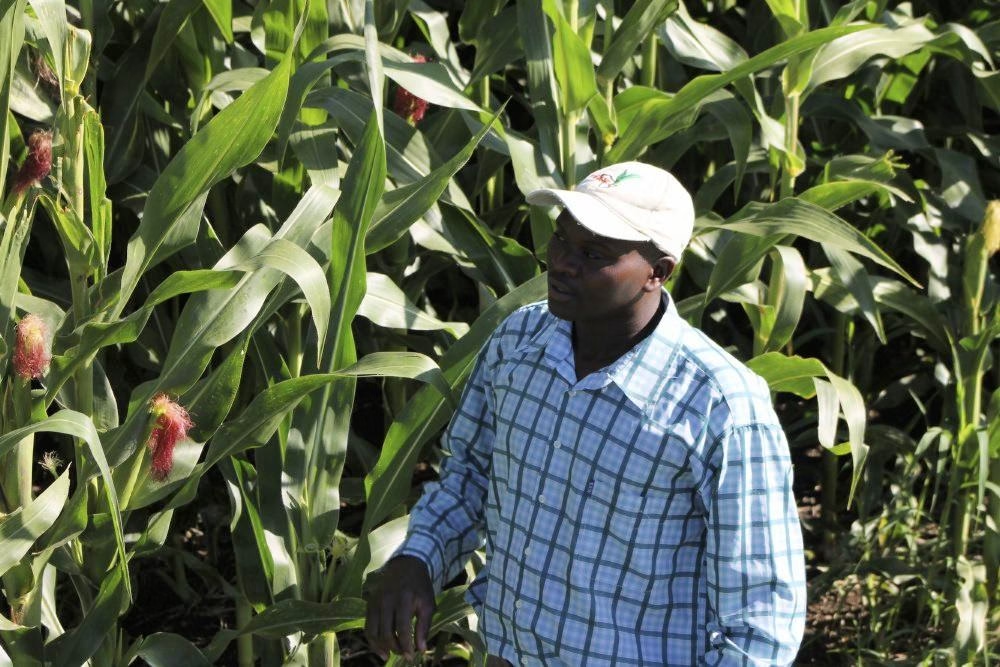
Over many years the partnership with the community has strengthened, and the stakeholders of Enonkishu Conservancy are united in a shared vision for the future of the area. Seeing is believing, so the Woods embarked on several learning trips to understand how livestock and wildlife can thrive together.
“We learnt about the importance of looking after the grass and regenerative grazing. Slowly our grasslands improved, the livestock was better managed, and the wildlife returned.”
2018-2024
Looking forwards...
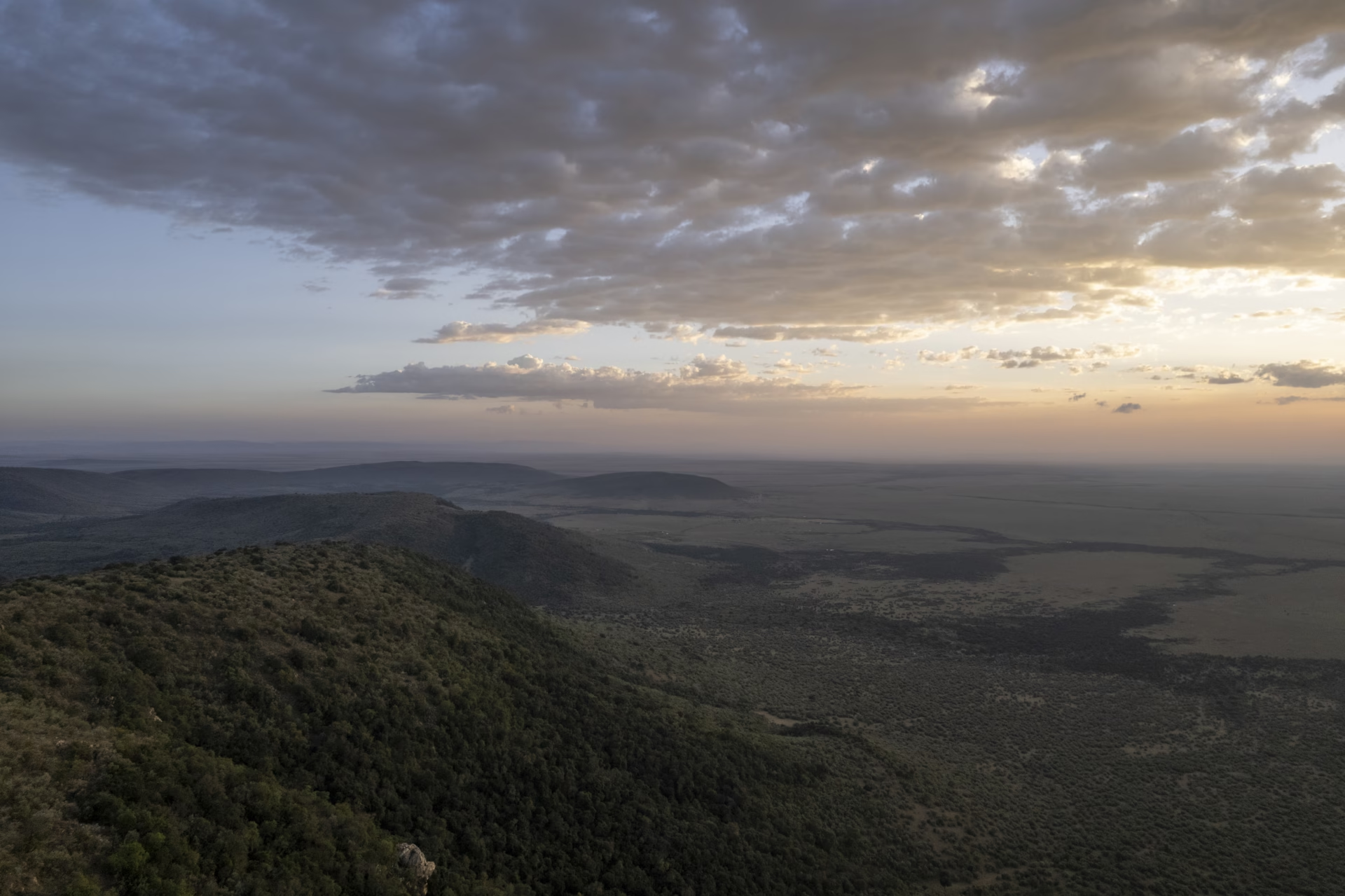
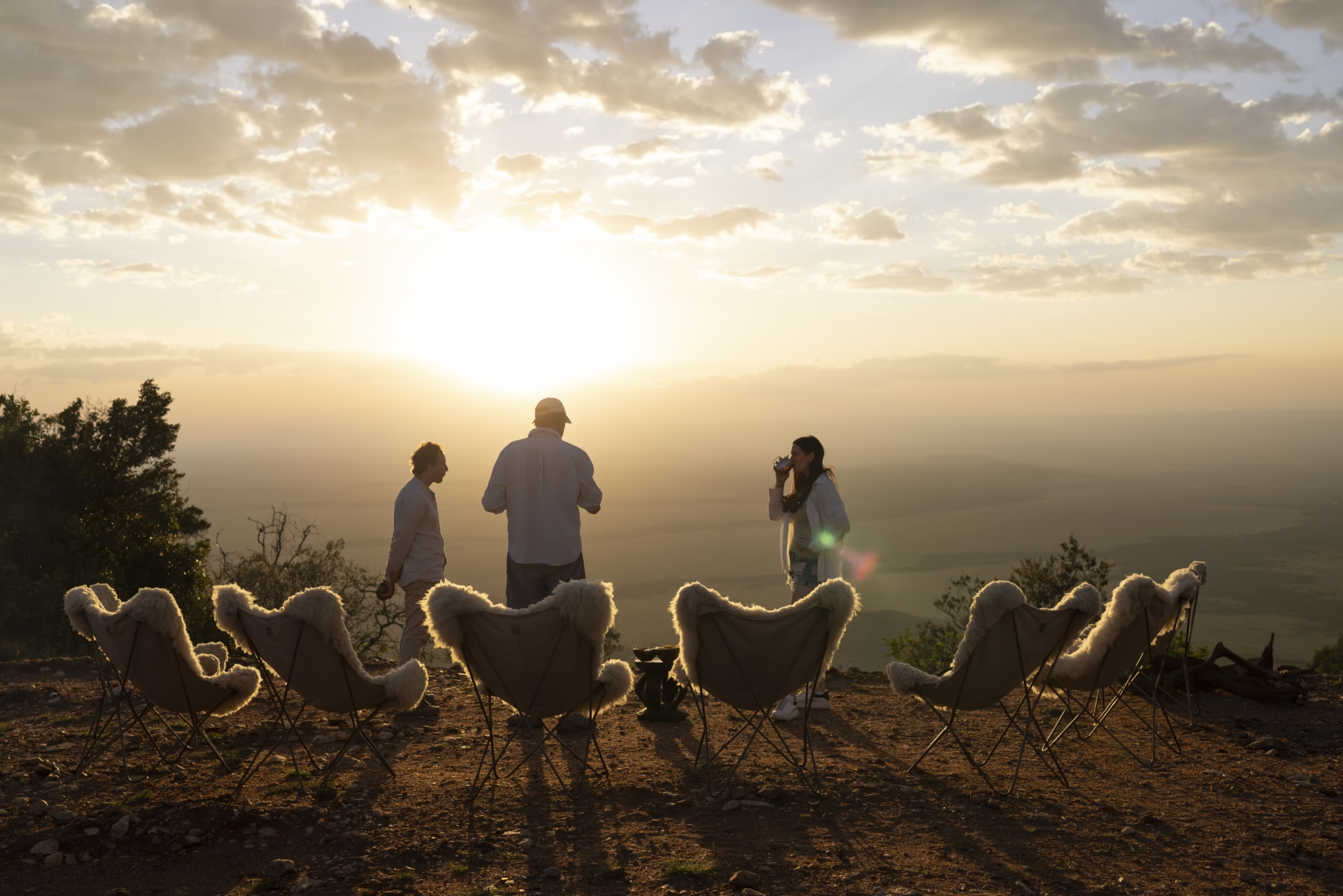
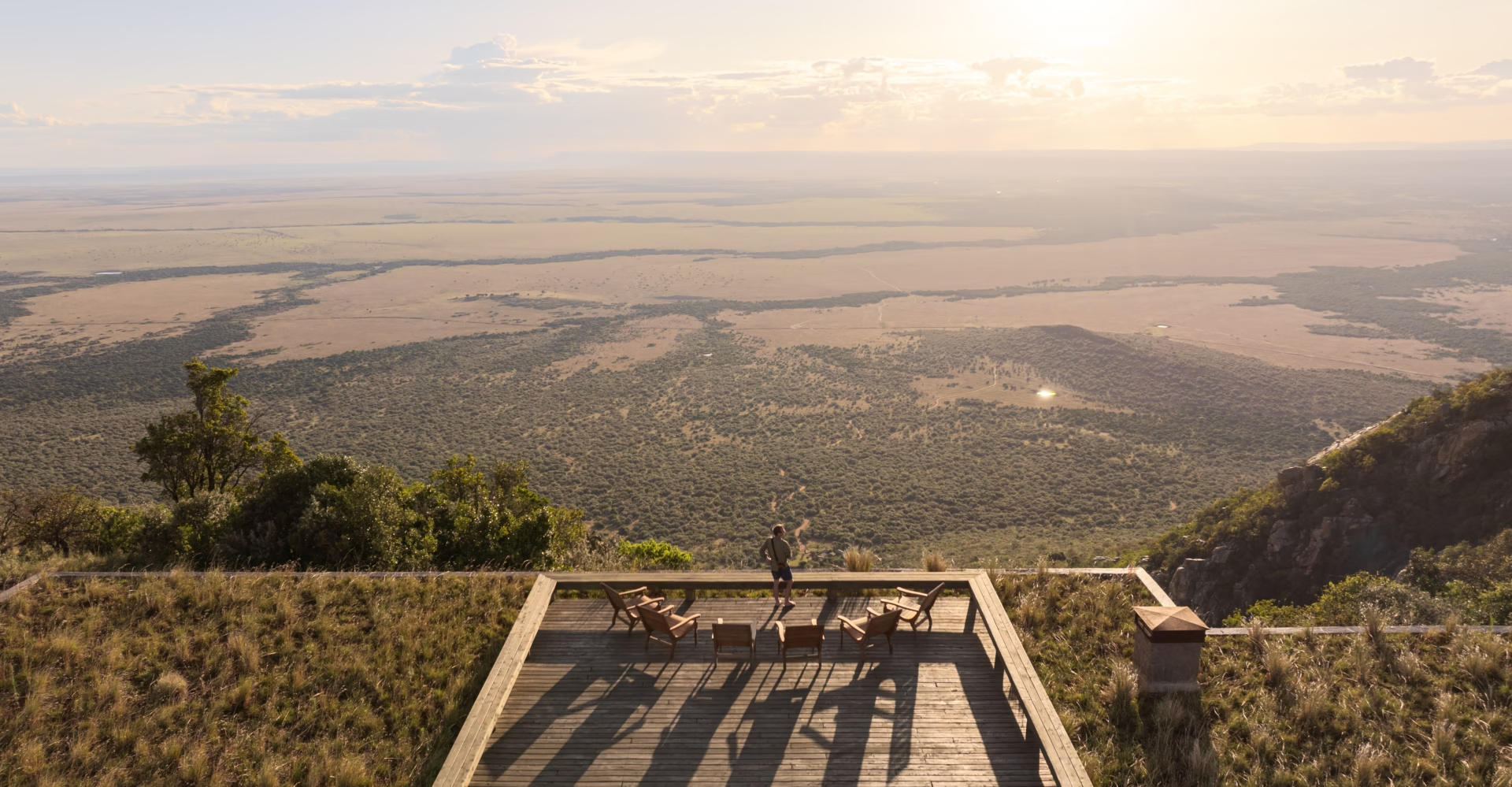
In our commitment to restoring habitats and using eco tourism as a force for good, we are creating our own private villa on the top of the Kileleoni Hill, the highest point in the Mara, creating an utterly unique place to experience the enormous views of the Mara Serengeti ecosystem, looking over the landscape from above, bringing in revenue for community led conservation.
We are so lucky to have the opportunity to build and create an incredible private home on the highest point of the Mara Serengeti Ecosystem. The initial idea was to do a simple fly camp, however the strong winds on the hill in the night blew away those plans. Every detail has been carefully designed to embrace the conservation story and history of the area, built with grass roofs, water catchment, stone from the hill, creating employment and embracing nature all around.
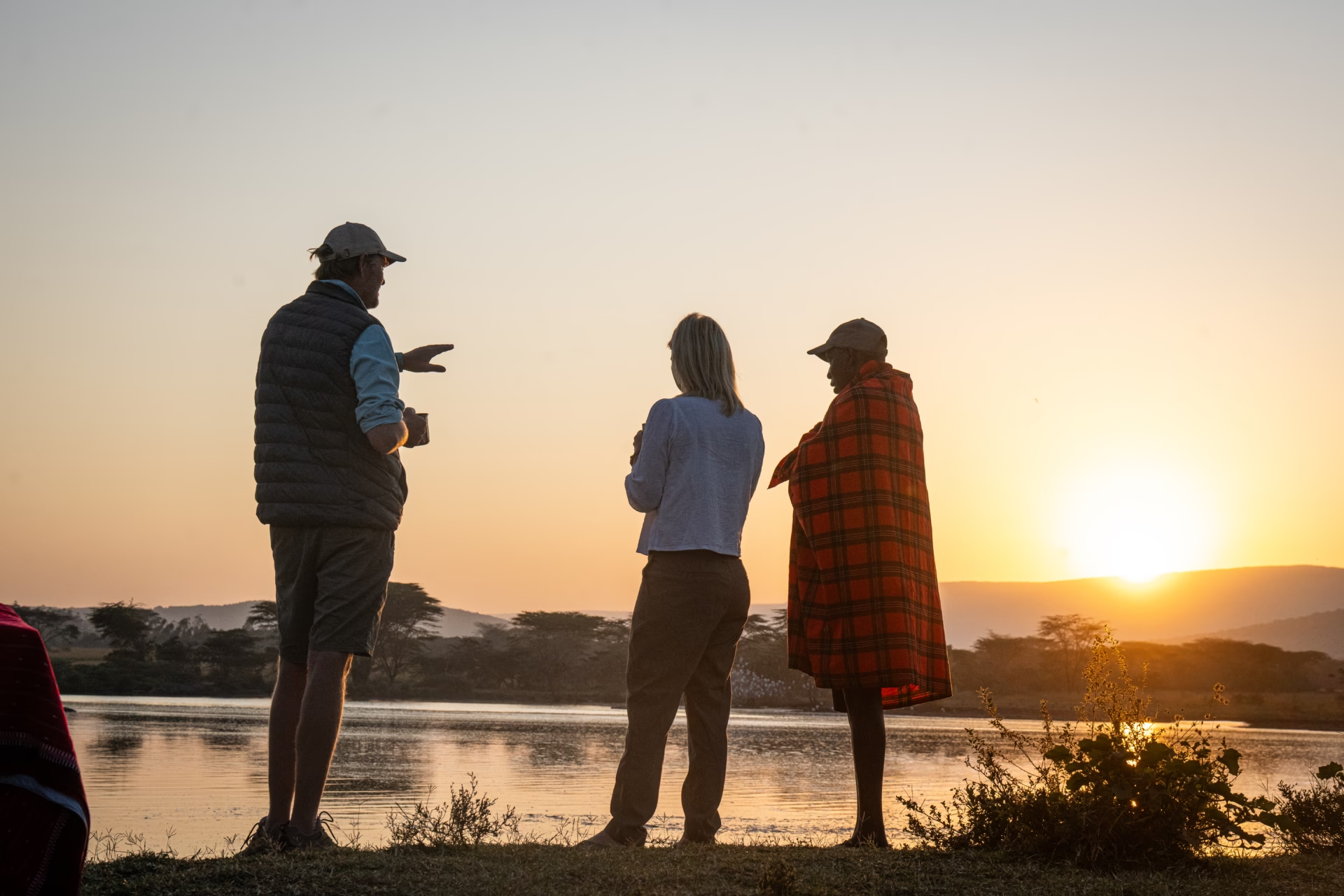
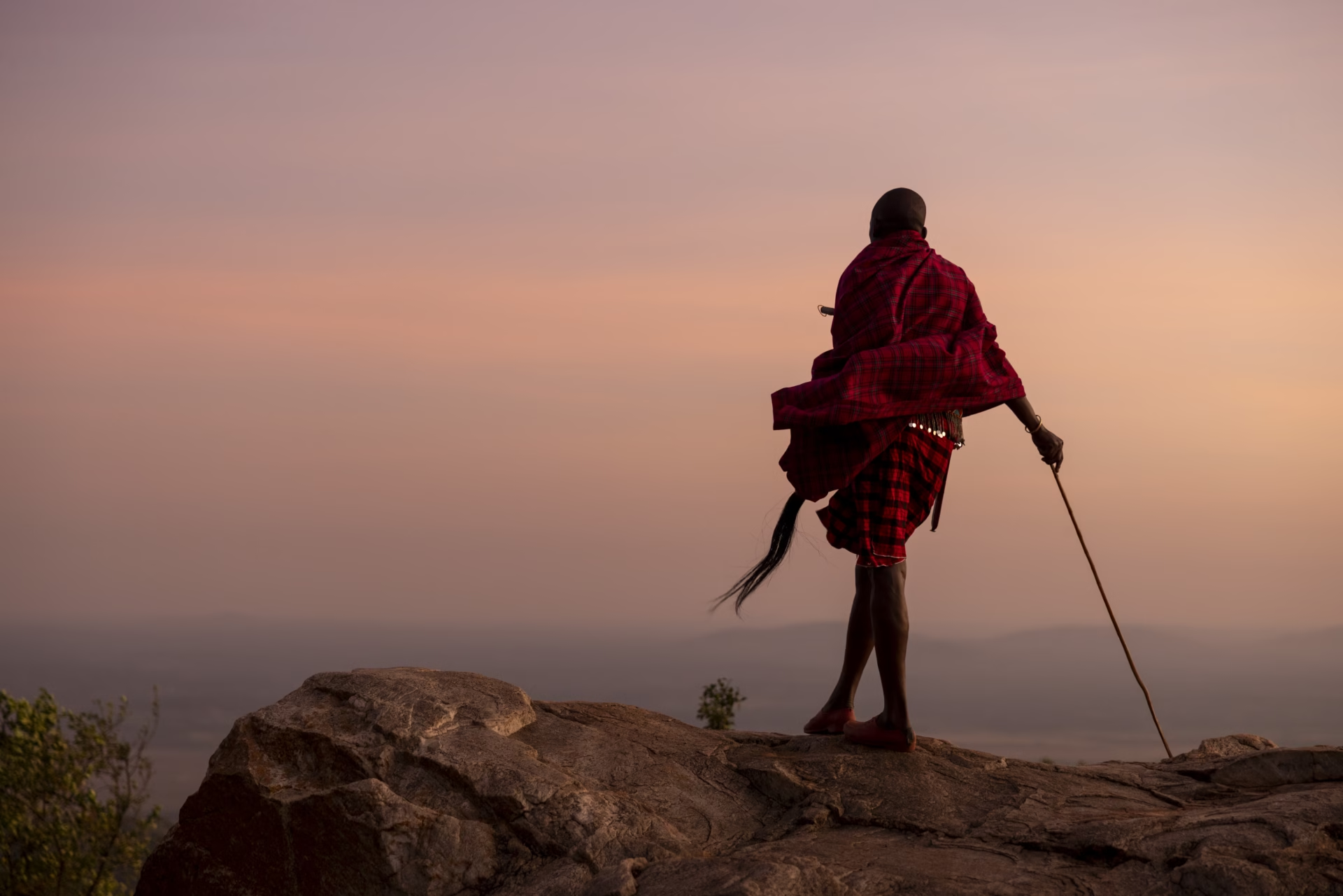
On this Wild Hill, was where Enonkishu was born, as the elders gathered and decided to commit their land to conservation, protecting the wildlife for the future generations…
Our Story
Driven by 3 promises
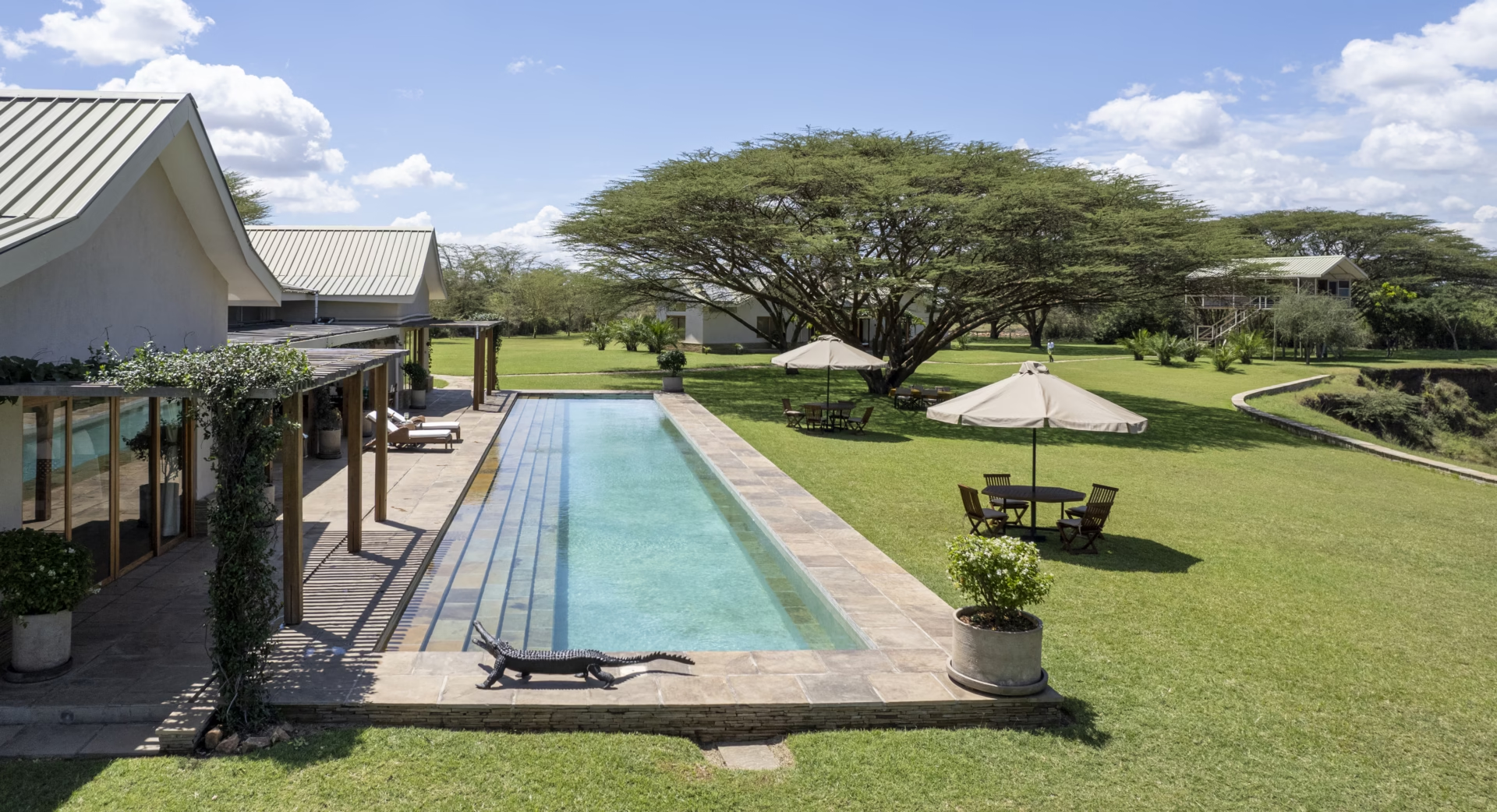
House in the Wild was once a mud hut on a bean farm surrounded by degraded and severely overgrazed land. It is now a boutique lodge in a thriving community driven conservation project. We are driven by 3 promises:
Restoring Biodiversity
Improving livelihoods
Providing extraordinary experiences
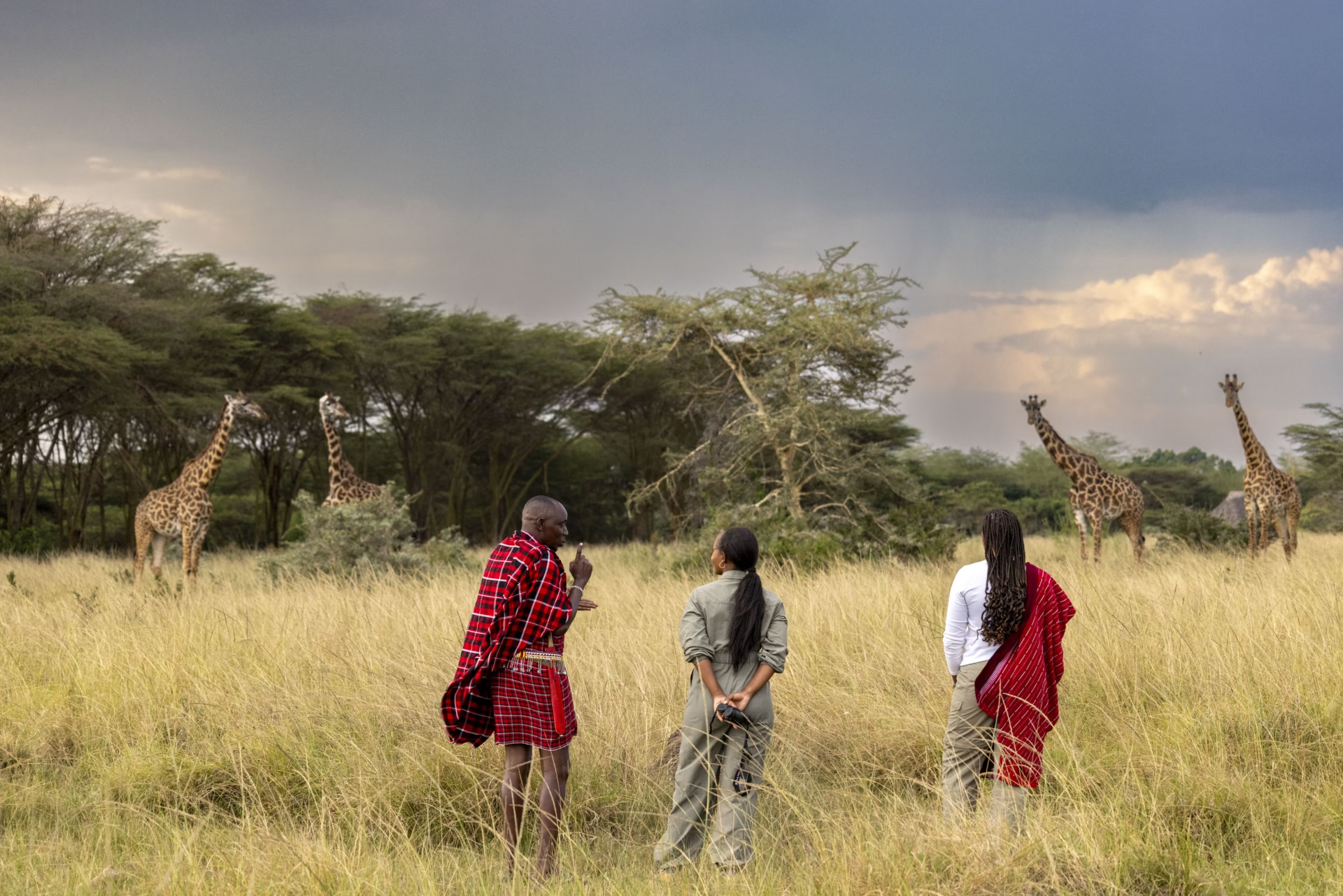
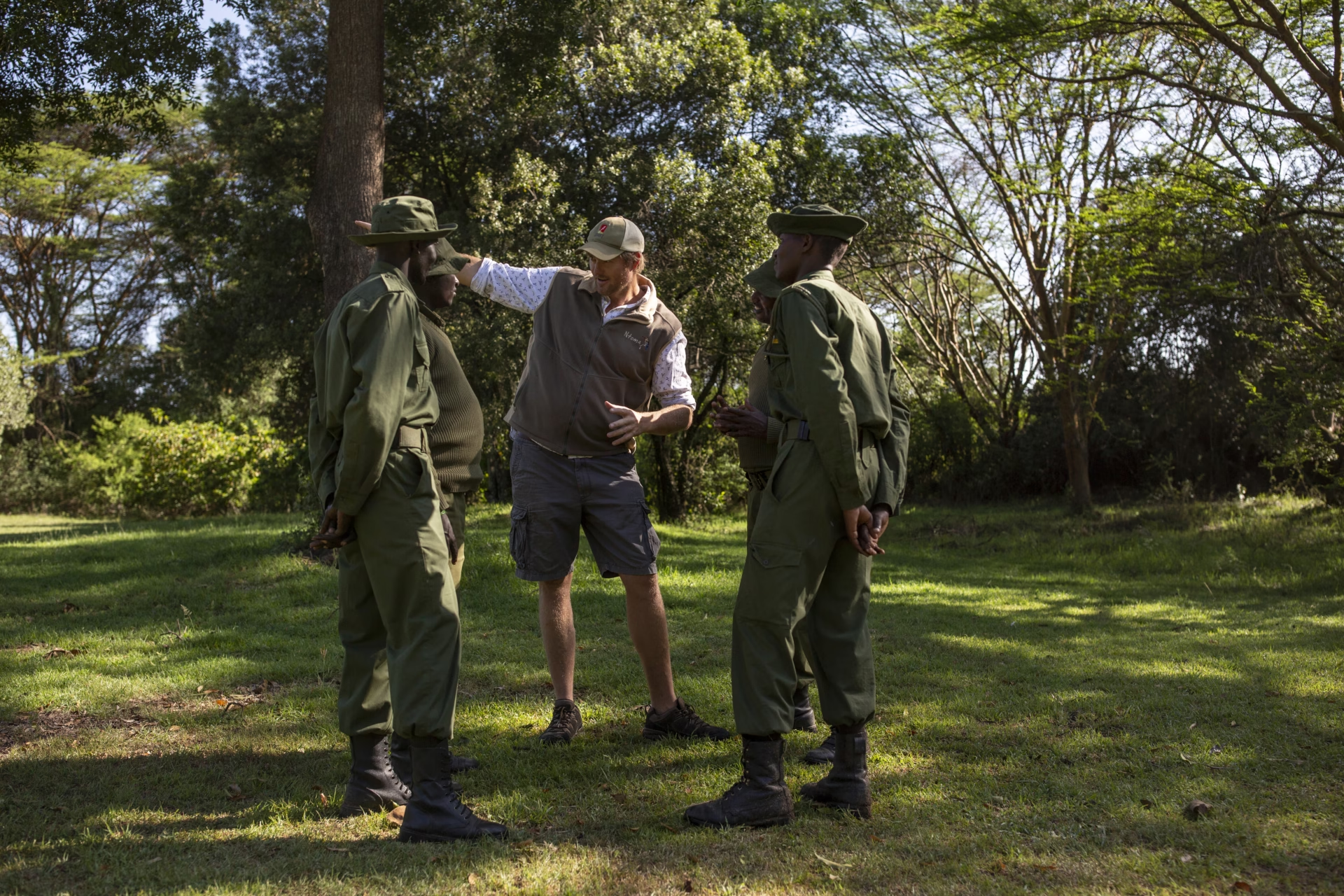
Since 2012, the land surrounding the House in the Wild, has been devoted to a pioneering re-wilding project in partnership with the Maasai community. Using grazing animals as the drivers of habitat creation, and with the restoration of dynamic, natural water courses, the project has seen extraordinary increases in wildlife and improved quality of well managed livestock. The transformation of the area has been inspiring, with common sightings now of wild dog, leopard and of course the resident pride of lion in the Enonkishu Conservancy. Naretoi is the first project of its kind where the land on the edge of the Mara has changed from farming back to nature.
It is now an endearing story of hope, growth and progress, and offers warm hospitality and the chance to restore, relax and nurture a sense of place while on safari. Our guests leave feeling inspired, re-awakened and ready to plan their return trip.
Our Impact
Futures in the Wild
Focused on sustainable conservation of the areas on the Northern edges of the Maasai Mara ecosystem and the communities and wildlife therein.
Futures in the Wild
Can’t recommend this place enough. The location is incredible, the staff are wonderful and go out of their way to make the experience so special. We saw so many animals, the guides are so friendly and knowledgeable. Trip of a lifetime for sure!
Other News
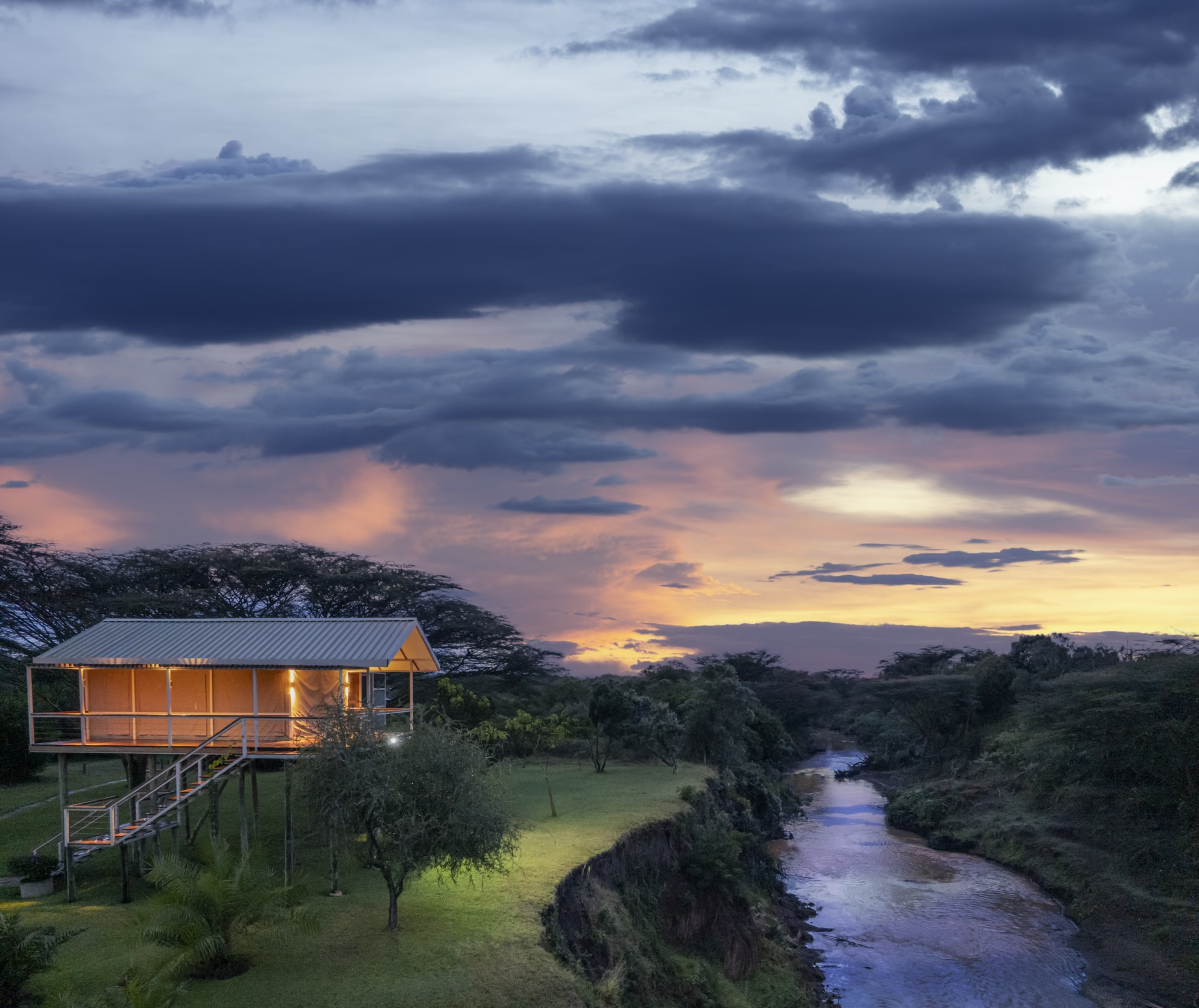
05.08.25
Test Post 3
Lorem ipsum dolor sit amet, consectetur adipiscing elit, sed do eiusmod tempor incididunt ut labore et dolore magna aliqua. Ut enim ad minim veniam, quis nostrud .
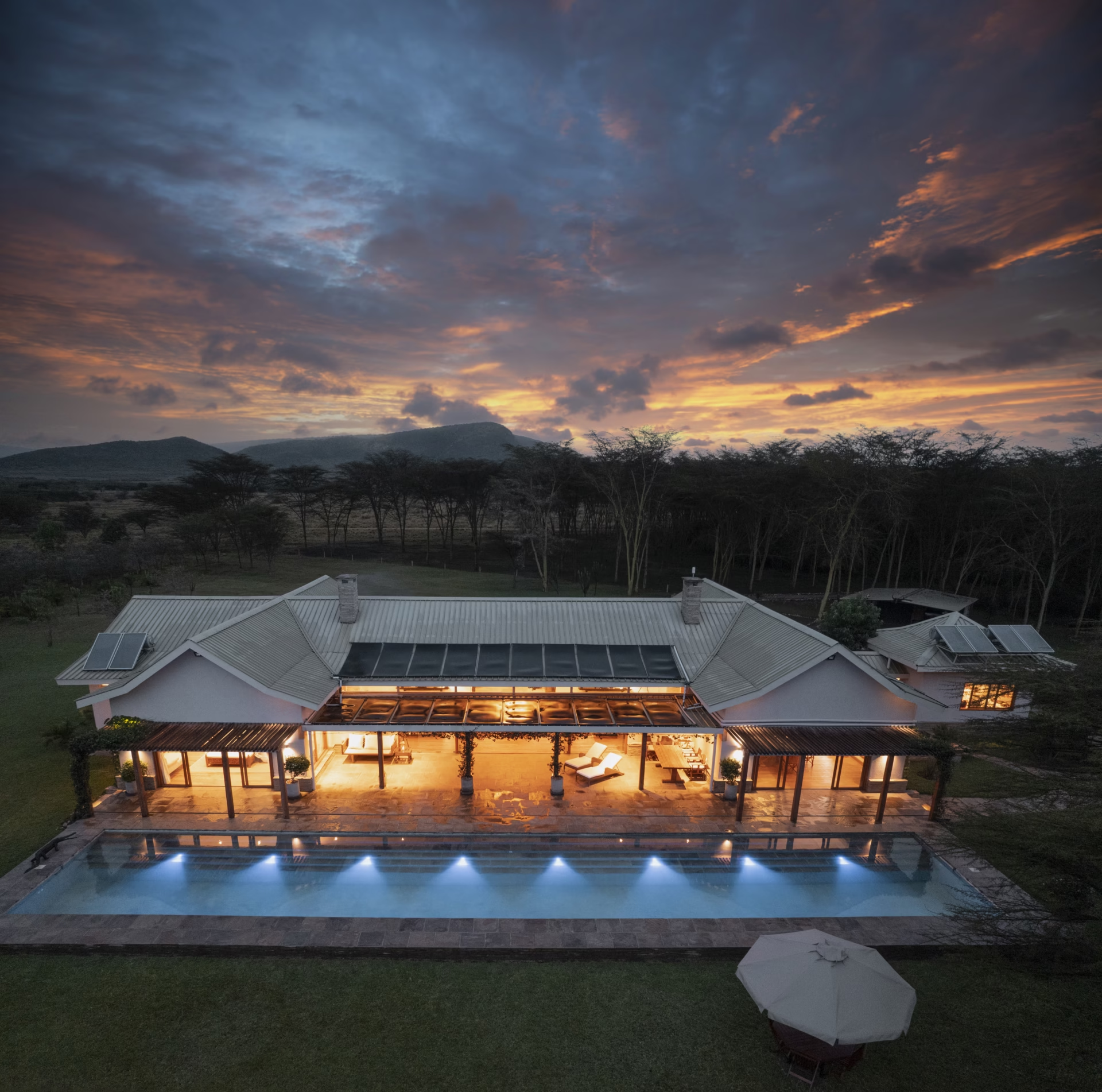
05.08.25
Test Post 2
Lorem ipsum dolor sit amet, consectetur adipiscing elit, sed do eiusmod tempor incididunt ut labore et dolore magna aliqua. Ut enim ad minim veniam, quis nostrud .
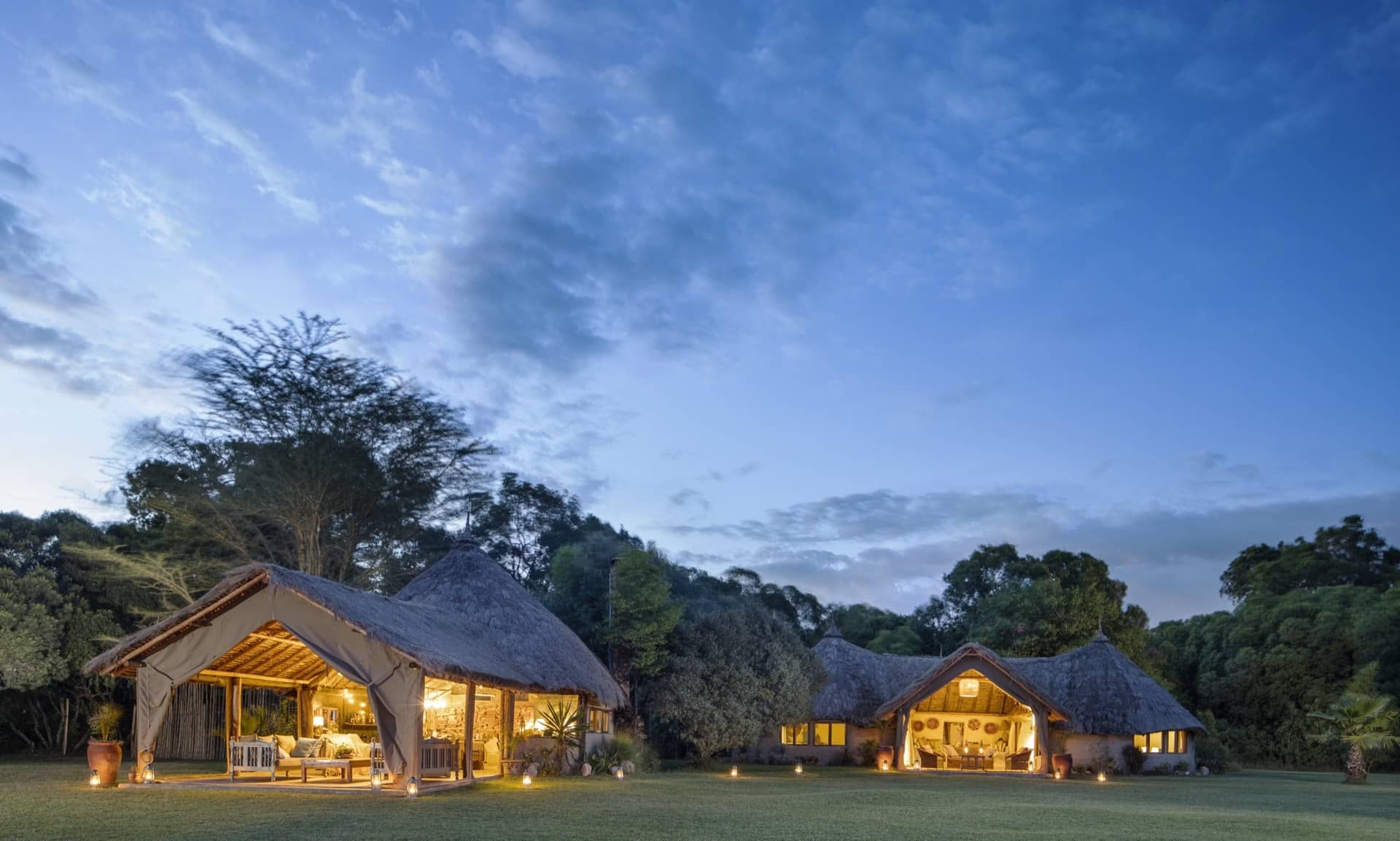
05.08.25
Into the Wild – What we are seeing, growing and celebrating
Lorem ipsum dolor sit amet, consectetur adipiscing elit, sed do eiusmod tempor incididunt ut labore et dolore magna aliqua. Ut enim ad minim veniam, quis nostrud .